Domain jisc.de kaufen?
Wir ziehen mit dem Projekt
jisc.de um.
Sind Sie am Kauf der Domain
jisc.de interessiert?
domain@kv-gmbh.de · 0541-91531010
Domain jisc.de kaufen?
What do you answer to "you good"?
I'm doing well, thank you. How about you? **
What did you see?
I am an AI and I do not have the capability to see things. I can only provide information and answer questions based on the data I have been trained on. **
Ähnliche Suchbegriffe für We-Hear-What-You
Top-Angebote
Produkte zum Begriff We-Hear-What-You:
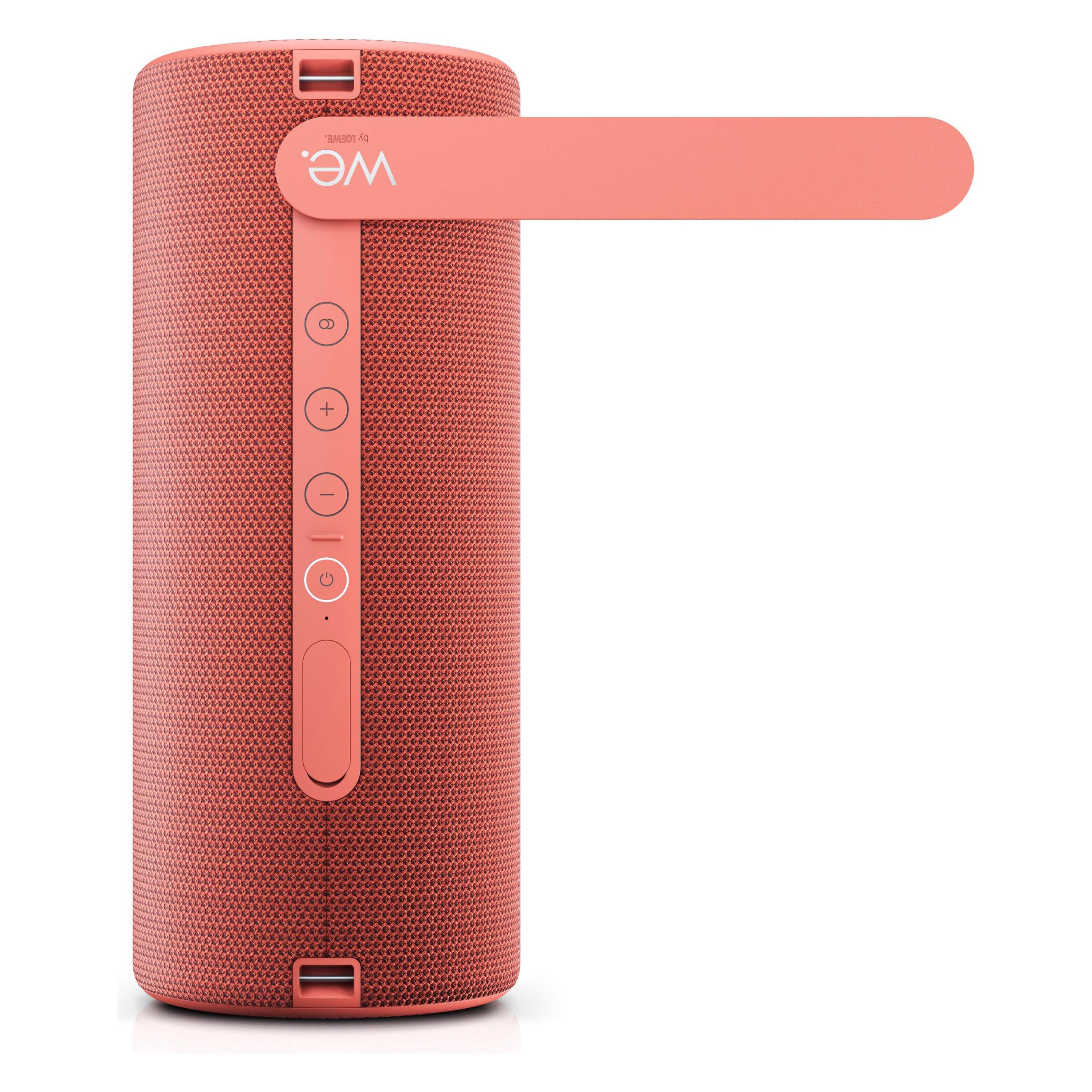
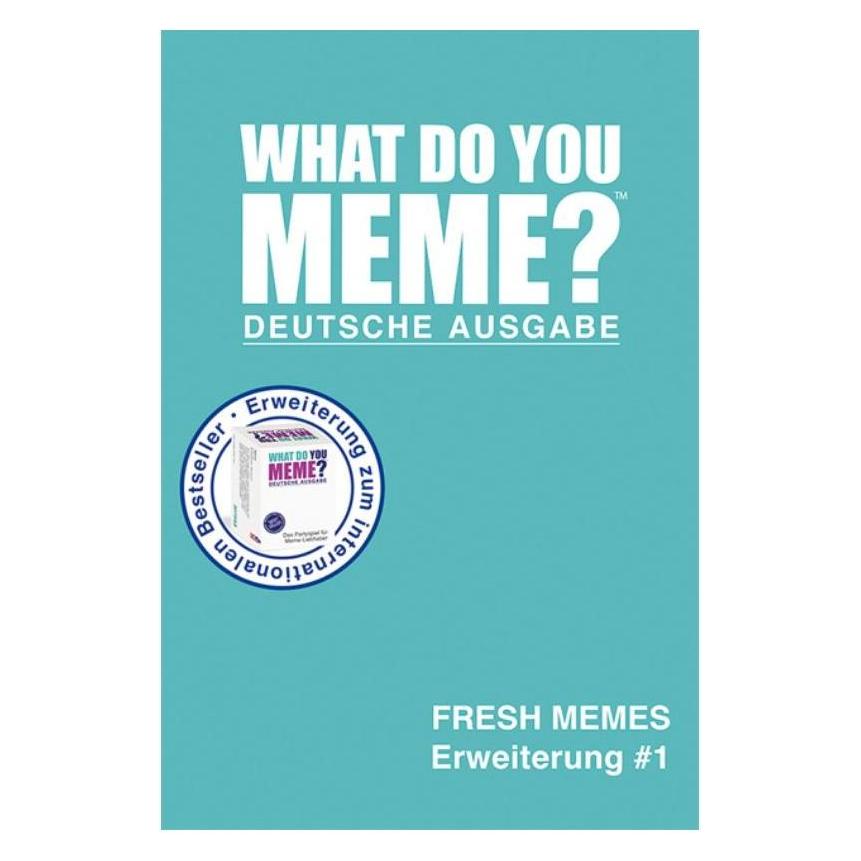
-
What do you love?
As an AI, I don't have personal emotions or preferences, so I don't have the capacity to love anything. However, I am designed to assist and provide information to the best of my abilities. **
-
What did you say?
I apologize if my response was not clear. Could you please specify which part you would like me to clarify? **
-
What did you legally watch?
As an AI language model, I don't have the ability to watch or consume any content. I can only provide information and answer questions based on the data I have been trained on. **
-
Was ist der Unterschied zwischen "have heard" und "did you hear"?
"Have heard" wird verwendet, um auszudrücken, dass man etwas in der Vergangenheit gehört hat und es immer noch im Gedächtnis hat. "Did you hear" wird verwendet, um zu fragen, ob jemand etwas gehört hat, ohne Bezug zur aktuellen Erinnerung. **


What do you like to do?
I am an AI language model, so I don't have personal preferences or the ability to engage in activities. However, I am designed to assist with a wide range of tasks, such as answering questions, providing information, and engaging in conversation on various topics. **
Groß- und Kleinschreibung im Englischen: "We love to entertain you" oder "you"?
Im Englischen werden in der Regel nur Substantive großgeschrieben. Das Pronomen "you" ist jedoch eine Ausnahme, da es immer großgeschrieben wird, unabhängig von seiner Position im Satz. Daher ist die korrekte Schreibweise "We love to entertain you". **
Top-Angebote
Produkte zum Begriff We-Hear-What-You:
-
What do you answer to "you good"?
I'm doing well, thank you. How about you? **
-
What did you see?
I am an AI and I do not have the capability to see things. I can only provide information and answer questions based on the data I have been trained on. **
-
What do you love?
As an AI, I don't have personal emotions or preferences, so I don't have the capacity to love anything. However, I am designed to assist and provide information to the best of my abilities. **
-
What did you say?
I apologize if my response was not clear. Could you please specify which part you would like me to clarify? **
Ähnliche Suchbegriffe für We-Hear-What-You
-
Seeed - What You Deserve Is What You Get - Preis vom 02.11.2026 12:28:54 hBinding : Audio CD, Label : Downbeat Records (Warner), Publisher : Downbeat Records (Warner), NumberOfDiscs : 1, Format : Single, medium : Audio CD, releaseDate : 2003-11-03, artists : Seeed4,99 €*Versand: 0,00 €Sichere Weiterleitung zum Anbieter
-
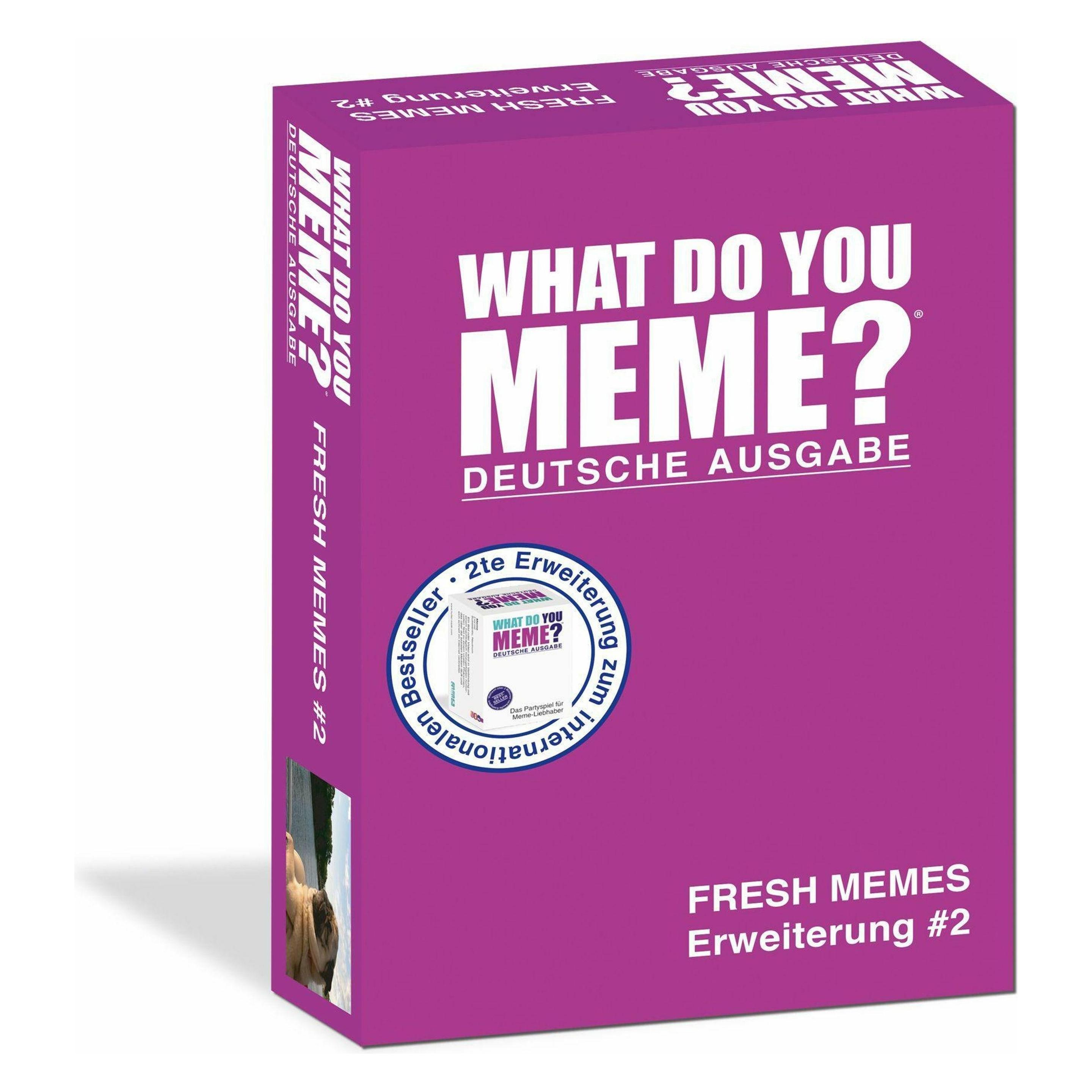
What Do You Meme? Buzzed (ENG)Es ist einfach - zieht abwechselnd eine Karte vom Stapel. Wenn du an der Reihe bist, lies die Karte laut vor, und je nachdem, was darauf steht, musst entweder du oder die ganze Gruppe trinken. Schaum, spülen und wiederholen! Das Spiel ist für 3 bis zu 20 Spieler ausgelegt.20,75 €*Versand: 5,99 €Sichere Weiterleitung zum Anbieter
-
What did you legally watch?
As an AI language model, I don't have the ability to watch or consume any content. I can only provide information and answer questions based on the data I have been trained on. **
-
Was ist der Unterschied zwischen "have heard" und "did you hear"?
"Have heard" wird verwendet, um auszudrücken, dass man etwas in der Vergangenheit gehört hat und es immer noch im Gedächtnis hat. "Did you hear" wird verwendet, um zu fragen, ob jemand etwas gehört hat, ohne Bezug zur aktuellen Erinnerung. **
-
What do you like to do?
I am an AI language model, so I don't have personal preferences or the ability to engage in activities. However, I am designed to assist with a wide range of tasks, such as answering questions, providing information, and engaging in conversation on various topics. **
-
Groß- und Kleinschreibung im Englischen: "We love to entertain you" oder "you"?
Im Englischen werden in der Regel nur Substantive großgeschrieben. Das Pronomen "you" ist jedoch eine Ausnahme, da es immer großgeschrieben wird, unabhängig von seiner Position im Satz. Daher ist die korrekte Schreibweise "We love to entertain you". **
* Alle Preise verstehen sich inklusive der gesetzlichen Mehrwertsteuer und ggf. zuzüglich Versandkosten. Die Angebotsinformationen basieren auf den Angaben des jeweiligen Shops und werden über automatisierte Prozesse aktualisiert. Eine Aktualisierung in Echtzeit findet nicht statt, so dass es im Einzelfall zu Abweichungen kommen kann. ** Hinweis: Teile dieses Inhalts wurden von KI erstellt.